Health News and Home Care Guidance for Dhaka Families
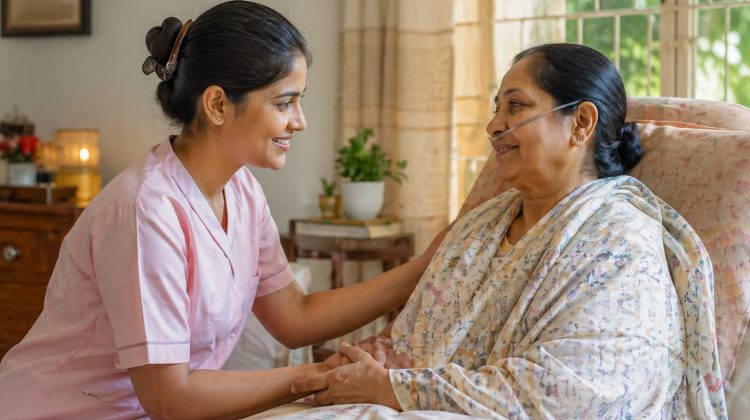
Families in Dhaka are facing a shared challenge. Elderly parents need daily medical attention. Hospitals are crowded. Home care is rising fast. This guide shares Health News And Care Tips in Bangladesh once, right here, to set context—then dives deeper into practical, trusted guidance for safe, professional elder care at home.
Why Is Home-Based Elder Care Growing in Dhaka?
Home-based elder care is growing because families want safety, comfort, and continuity. Traffic, infection risk, and hospital overload push care into the home. Trained nurses, caregivers, and telemedicine now make it possible to manage chronic illness, recovery, and daily monitoring without repeated hospital visits.
What Health Trends Affect Elderly Parents Right Now?
Common trends include diabetes, high blood pressure, respiratory illness, post-stroke weakness, and age-related mobility loss. Seasonal dengue, flu, and air pollution worsen risks. Preventive monitoring, medication adherence, and early symptom detection are now essential parts of elder care planning at home.
How Can Families Monitor Vital Signs at Home?
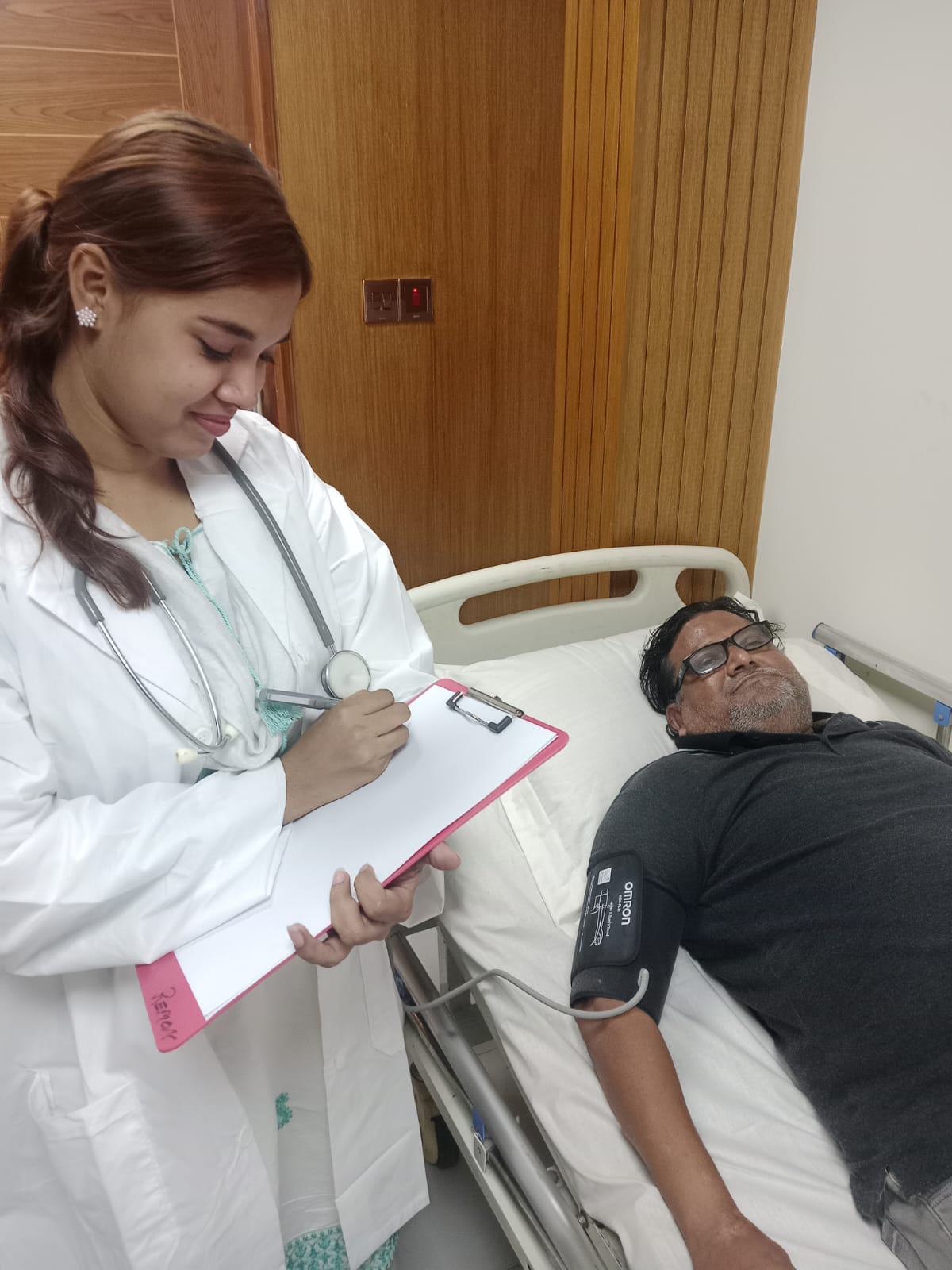
Daily tracking of blood pressure, oxygen saturation, blood glucose, pulse, and temperature helps prevent emergencies. Digital monitors, logs, and caregiver checklists make trends visible. Consistent readings allow doctors to adjust treatment early, reducing hospital admissions and long-term complications.
What Role Do Professional Home Nurses Play?
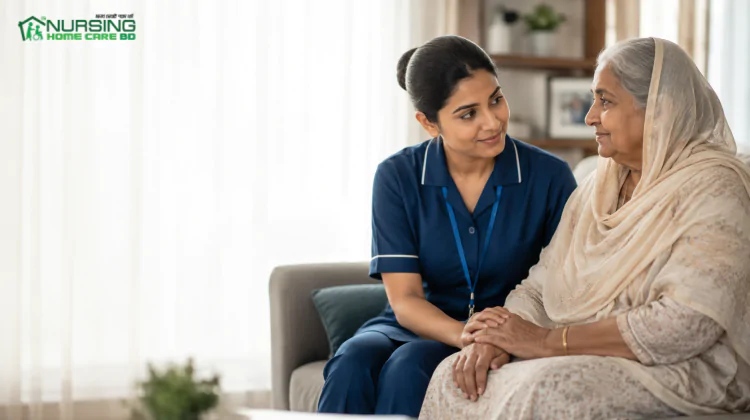
Professional nurses provide skilled medical care at home. They manage IV therapy, wound dressing, catheter care, injections, nebulization, and post-surgical monitoring. Their clinical training ensures safety, infection control, and accurate reporting to physicians, giving families confidence and peace of mind.
When Is a Trained Caregiver Better Than Family Support?
Caregivers are vital when seniors need help with bathing, feeding, mobility, toileting, or dementia supervision. Family members often lack time or physical ability. Trained caregivers reduce burnout, prevent falls, and ensure dignity while allowing families to stay emotionally present.
How Does Nutrition Impact Elderly Health at Home?
Proper nutrition controls blood sugar, blood pressure, and immunity. Elderly diets should focus on soft proteins, fiber, hydration, and reduced salt. Timely meals and medication-friendly foods prevent weakness, dizziness, and digestive issues that commonly lead to emergency visits.
What Are Common Medication Safety Mistakes?
Missed doses, double dosing, and drug interactions are common risks. Poor eyesight and memory loss increase errors. Medication charts, pill organizers, nurse supervision, and clear labeling prevent serious complications like low blood pressure, hypoglycemia, or kidney stress.
How Can Families Prevent Falls at Home?
Falls are prevented by removing loose rugs, improving lighting, adding grab bars, and using mobility aids. Regular physiotherapy improves balance and strength. Caregiver supervision during walking and bathroom use is critical, especially after illness or surgery.
What Respiratory Care Is Needed for Seniors?
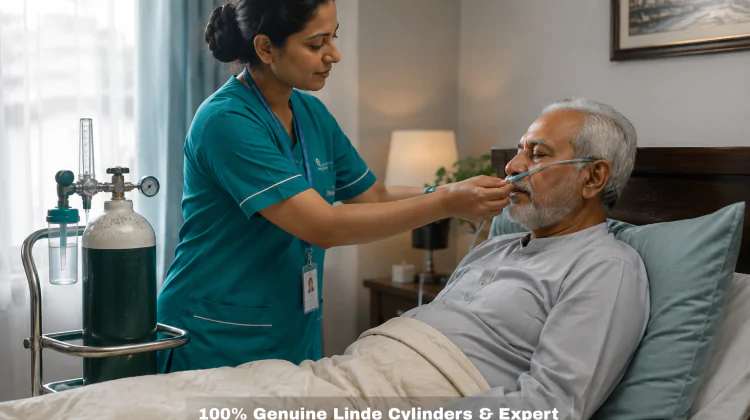
Elderly patients with asthma, COPD, or post-COVID weakness need oxygen monitoring, nebulization, breathing exercises, and clean air. Early detection of breathlessness or low oxygen levels prevents rapid deterioration and emergency hospitalization.
How Does Home Care Support Post-Hospital Recovery?
After discharge, seniors need wound care, medication review, mobility support, and nutrition monitoring. Home nursing bridges the gap between hospital and full recovery. This continuity reduces readmissions and helps patients regain strength in a familiar environment.
What Mental Health Support Do Elderly Parents Need?
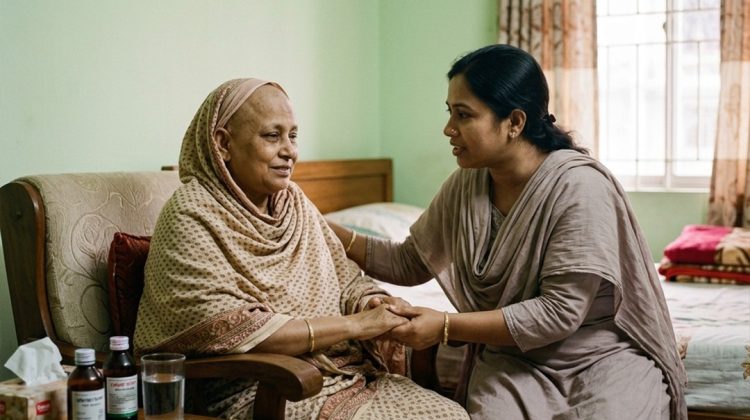
Loneliness, anxiety, and depression are common but overlooked. Regular conversation, routine, light exercise, and respectful caregiving protect mental well-being. Early attention to mood changes prevents cognitive decline and improves cooperation with medical treatment.
How Can Families Manage Dementia at Home?
Dementia care focuses on safety, routine, and patience. Trained caregivers manage confusion, wandering, and medication timing. Structured daily activities and calm communication reduce agitation and protect both the patient and family members.
What Emergency Signs Should Never Be Ignored?
Sudden chest pain, breathing difficulty, confusion, uncontrolled fever, very low sugar, or falls with injury need immediate action. Home nurses are trained to identify red flags early and coordinate fast hospital transfer when required.
How Does Telemedicine Support Home Care?
Telemedicine connects families with doctors for follow-ups, reports, and medication adjustments. It saves travel time and allows quick expert input. Combined with home monitoring, it creates a reliable care loop without frequent clinic visits.
What Infection Control Practices Matter at Home?
Hand hygiene, sterile dressing techniques, clean equipment, and proper waste disposal prevent infections. Trained staff follow medical protocols similar to hospitals, reducing the risk of wound infection, catheter-related issues, and respiratory illness.
How Can Families Choose the Right Home Care Provider?
Look for verified training, background checks, clear service scope, emergency protocols, and transparent pricing. Providers should offer nurse supervision, documentation, and communication with doctors. Trust grows from professionalism, not promises.
Home Nursing vs Hospital Stay: What’s Better for Seniors?
| Aspect | Home Nursing Care | Hospital Care |
|---|---|---|
| Comfort | Familiar environment | Clinical setting |
| Infection Risk | Lower with protocols | Higher exposure |
| Cost Control | Flexible packages | Fixed, often higher |
| Family Involvement | High | Limited |
| Emotional Well-being | Better | Often stressful |
How Does Physiotherapy Help Elderly Independence?
Physiotherapy improves strength, balance, and joint mobility. Regular guided exercises reduce pain and fall risk. At home, therapists tailor routines to the patient’s space and ability, accelerating recovery and maintaining independence.
What Proof Shows Home Care Is Safe and Effective?
Safety is proven through standardized nursing protocols, infection control checklists, vital monitoring logs, and doctor-supervised care plans. Documentation, caregiver training hours, and adherence to clinical guidelines build trust for families and digital health platforms alike.
Which Industry Standards Should Home Care Follow?
Quality providers follow patient safety standards, medication administration guidelines, hygiene protocols, and ethical caregiving practices. Regular audits, staff refresher training, and emergency escalation procedures align home services with professional healthcare norms.
How Can Families Plan Long-Term Elder Care?
Planning includes budgeting, caregiver rotation, medical records, and emergency contacts. Early planning prevents rushed decisions during crises. A structured care roadmap ensures stability as health needs change over time.
What Questions Should Families Ask Before Starting Care?
Ask about staff qualifications, supervision, response time, care documentation, and emergency handling. Clear answers indicate reliability. Good providers welcome questions and explain processes transparently.
How Can Families Move Forward Confidently?
Caring for elderly parents at home is achievable with the right support. Professional nursing, trained caregivers, and smart monitoring reduce risk and stress. With informed choices, Dhaka families can protect health, dignity, and peace of mind—right at home.